
Right Treatment Options for a Chipped Tooth and Essential Care Tips
Best Treatment Options for a Chipped Tooth and Essential Care Tips
A chipped tooth can happen at the worst possible moment, whether you bite into something harder than expected or take a small knock during a weekend activity. At Fremont Family Dentistry, we treat chipped teeth in Fremont, IN, and one thing that patients almost always ask first is whether it’s actually serious. The answer is that it depends on the size, location, and depth of the chip, but it’s important to know what to do in the moment and afterward so your tooth heals correctly.
What Is a Chipped Tooth?
A chipped tooth happens when a small piece of the enamel, or in some cases, the deeper dentin layer, breaks off from the visible part of the tooth. Chips can range from a barely noticeable rough edge to a more visible piece missing from the biting surface or edge of a front tooth. Some chips affect only the outer enamel and cause no pain, while others expose the more sensitive layers underneath and can lead to discomfort.
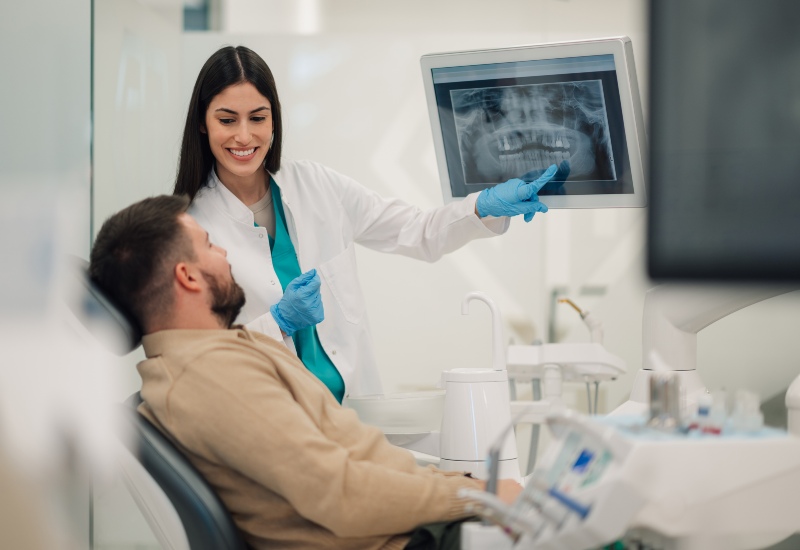
The Difference Between a Chipped, Cracked, and Broken Tooth
These terms get used interchangeably, but they describe different levels of damage. A chip involves a small piece breaking away from the tooth’s surface, typically without affecting the tooth’s overall structure. A crack is a line running through the tooth that may not have visibly separated yet, but can worsen over time if left untreated. A broken tooth generally refers to more significant structural loss, sometimes down to or below the gumline, and often comes with more pain and a higher risk of infection. Knowing which category your situation falls into determines how quickly you need to be seen.
Common Causes of a Chipped Tooth
Most chipped teeth result from everyday moments rather than dramatic accidents. Biting into hard foods like ice, popcorn kernels, or hard candy is one of the most frequent causes. Grinding or clenching your teeth at night gradually weakens enamel and makes chips more likely, even without an obvious impact. Sports injuries, falls, and using teeth as tools to open packaging or bottles round out the list of common culprits. Teeth that already have large fillings or cavities are also more prone to chipping, since the remaining structure is often weaker.
What to Do Immediately After Chipping a Tooth
What to do with a chipped tooth in the first few minutes can affect how well it heals. Gently rinse your mouth with warm water to clear away debris, and if there’s bleeding, apply light pressure with clean gauze. Save any broken pieces of tooth if you can find them, since they may be usable during treatment. Applying a cold compress to the outside of your cheek helps reduce swelling, and if the chip has left a sharp edge, covering it with dental wax or sugar-free gum can prevent it from cutting your tongue or cheek until you’re seen.
Right Treatment Options for Chipped Teeth
A dentist can fix a chipped tooth in several ways. For minor chips, dental bonding is often the simplest fix, using a tooth-colored resin to rebuild the missing edge in a single visit. Larger chips, especially on a molar used for chewing, may call for a filling or an onlay to restore strength and shape.
When a chip is more extensive or affects a front tooth’s appearance, a porcelain veneer or dental crown may be recommended to fully protect and restore the tooth. If the chip has exposed the nerve, root canal treatment may be needed before any restorative work is done.
Recovery and Aftercare Following Chipped Tooth Treatment
How to care for a chipped tooth after treatment depends on the procedure performed, but a few habits apply across the board. Avoid biting directly into hard foods with the treated tooth for the first day or two, especially if bonding material was used, since it needs time to fully set. Mild temperature sensitivity is common for a short period and usually fades on its own. Keep up with regular brushing and flossing around the treated area to protect both the restoration and the surrounding gum tissue, and don’t skip your follow-up visit even if the tooth feels fine.
How to Prevent Future Tooth Chips and Fractures
Once you’ve dealt with one chipped tooth, preventing the next one becomes a priority. Wearing a custom mouthguard during sports activities protects against impact-related chips far better than store-bought versions. If you grind your teeth at night, a nightguard can significantly reduce wear and the risk of fracture. Cutting back on chewing ice, hard candy, or popcorn kernels, and avoiding using your teeth to open packages, removes some of the most common causes of chips.
Benefits of Treating a Chipped Tooth Promptly
Prompt treatment for a chipped tooth reduces the risk of the chip worsening into a full crack or break, which often requires more extensive and costly treatment. It also lowers the chance of bacteria reaching the inner layers of the tooth, which can lead to infection or the need for root canal therapy. Beyond the practical benefits, restoring a chipped tooth early keeps your bite functioning normally and prevents the surrounding teeth from shifting to compensate for the change.
Frequently Asked Questions
Is a chipped tooth an emergency?
It depends on the severity. A small, painless chip can usually wait for a regular appointment, but a chip with pain, bleeding, or a visible nerve should be treated as urgent.
Can a dentist fix a chipped tooth in one visit?
Many minor chips can be repaired with bonding in a single appointment. Larger chips requiring a crown or veneer may take more than one visit.
Does a chipped tooth always hurt?
No. Chips limited to the outer enamel often cause no pain, while deeper chips that expose dentin or the nerve are more likely to be sensitive or painful.
Can I leave a small chip untreated?
It’s not recommended. Even minor chips can weaken the tooth further or create a sharp edge that irritates your tongue or cheek.
Get a Chipped Tooth Treated at Fremont Family Dentistry
Waiting to fix a chipped tooth often turns a simple fix into a more involved procedure. Our team can evaluate the damage, walk you through your treatment options, and restore your tooth with a plan that fits both your smile and your budget. Contact Fremont Family Dentistry to schedule an appointment and have your tooth checked before the chip becomes a bigger issue.